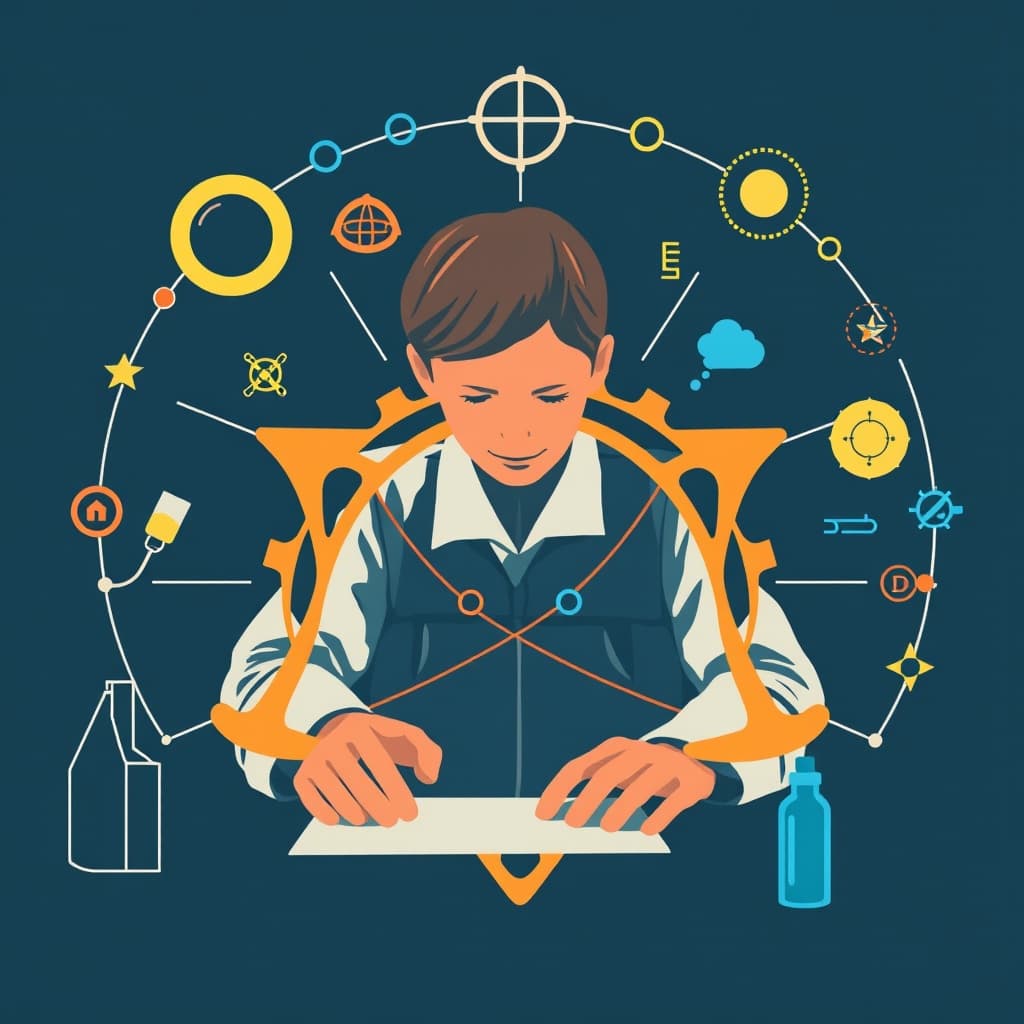

I still remember the first time I used an AI tool for my engineering project; it felt like I had a superpower in my hands. Suddenly, complex calculations that used to take hours were done within minutes. This experience ignited a fascination with how AI is revolutionizing learning in fields like engineering, where precision and innovation are paramount. In this post, we'll explore the various ways artificial intelligence is becoming an essential ally for engineering students.
AI as a Personal Tutor
In today's educational landscape, AI is revolutionizing the way students learn. Adaptive learning platforms are now providing customized resources tailored to individual learning styles. Popular AI tutoring systems like Khan Academy and Duolingo have shown remarkable success in enhancing student performance and engagement. Many students have shared their experiences of switching from traditional methods to AI-driven learning, noting significant improvements in their understanding of complex subjects.
As Professor Jane Smith aptly puts it,
“AI can provide personalized educational experiences that cater to the individual needs of each student.”This personalization can lead to better outcomes compared to traditional human tutoring, as AI can analyze performance data and adjust learning paths in real-time. Integrating AI tutoring with curriculum requirements ensures that students receive support that aligns with their educational goals.
Streamlining Complex Calculations with AI
AI software is making waves in the realm of calculations, automating tedious tasks that once consumed hours of student time. Tools like MATLAB and various Python libraries are invaluable for engineering students, allowing them to focus on the creative aspects of their projects. Case studies reveal students saving significant time on assignments, which can be redirected towards deeper learning and exploration.
Dr. Mark Williams highlights this shift, stating,
“With automation, students can focus on finding creative solutions rather than getting lost in the details of calculations.”This balance between technological dependence and skill development is crucial for future engineers, who must be adept at both using AI tools and understanding the underlying principles.
Enhancing Collaboration Through AI Technologies
AI-powered platforms are fostering collaboration among students, enhancing group work and communication. Tools like Trello and Slack facilitate collaborative projects, allowing teams to organize tasks efficiently. AI can even analyze group dynamics, suggesting roles based on individual strengths, which can lead to more effective teamwork.
Real-life scenarios show that teams using AI tools often achieve better results, but it’s essential to balance teamwork with individual accountability. As collaboration skills become increasingly vital for future careers, leveraging AI can ensure that every team member's voice is heard and valued.
Data-Driven Decision-Making
AI's ability to analyze data trends is transforming decision-making in engineering fields. Making informed decisions based on data analysis is crucial, and many engineering students have successfully integrated AI into their research methodologies. This shift not only enhances their projects but also prepares them for a data-oriented future.
As the landscape for engineers evolves, balancing intuition with data-driven strategies will be key. Understanding how to interpret data effectively is becoming a non-negotiable skill in the engineering toolkit.
Preparing for Future Careers with AI Skills
The job market is rapidly evolving, with AI-centric roles on the rise. Engineering graduates must possess essential AI skills to remain competitive. Universities are adapting curricula to include AI, providing students with networking opportunities facilitated by AI tools. Case studies of graduates finding AI-related jobs reflect a growing demand for such expertise.
As Mr. Liam Rodriguez notes,
“Understanding AI will be crucial for the next generation of engineers as industries transform.”This understanding not only enhances job readiness but also empowers students to navigate their careers with confidence.
Challenges and Considerations in Using AI
Despite the advantages, there are challenges associated with AI in education. Concerns about over-reliance on AI, ethical implications, and potential job displacement due to automation are valid. Institutions must guide responsible AI use, ensuring that students find a balance between AI and traditional learning methods.
As Professor Tim Reed warns,
“While AI opens up many doors, we must manage its influence to maintain the integrity of engineering education.”Future considerations for academic integrity will be essential as we navigate this new landscape.
Conclusion: Embracing AI for an Enhanced Learning Future
In summary, AI offers numerous benefits for engineering students, from personalized tutoring to streamlined calculations and enhanced collaboration. As we encourage innovative thinking driven by AI tools, the importance of lifelong learning in AI technologies cannot be overstated. The future of engineering education looks promising, and I urge students to embrace AI responsibly, leveraging these tools to enhance their projects and prepare for their careers.