
Exploring the Unique Features of Afforai and Unriddle.ai: A Battle of AI Writing Tools
As a writer navigating the vast sea of AI tools, I often find myself pondering which platform suits my needs best. Recently, I dived into the world of Afforai and Unriddle.ai, two AI writing tools that promise to transform the way we create and research. In this post, I’ll take you through an engaging comparison of these two platforms, sharing my insights and experiences along the way. Overview of Afforai and Unriddle.ai When it comes to AI writing tools, two names often pop up: Afforai and Unriddle.ai. But what sets them apart? Let’s dive into their unique features and target audiences. Afforai: The User-Friendly Option Afforai is a web-based AI writing tool designed for ease of use. Its interface resembles Google Docs, making it familiar for many users. This tool focuses on content creation and editorial tasks, providing smart suggestions that help content creators refine their work. Think of it as your friendly writing companion. Web-based AI writing tool User-friendly interface Focuses on content creation Whether you're a student or a professional, Afforai can enhance your writing experience. It’s perfect for anyone looking to create engaging content without the hassle. Unriddle.ai: The Research Powerhouse On the other hand, we have Unriddle.ai. This tool is tailored for research-focused users. It integrates multiple data sources, providing comprehensive output that is ideal for academic and professional environments. If you’re deep into research, Unriddle.ai can be a game-changer. Designed for research-focused users Integrates multiple data sources Best suited for academic and professional environments With Unriddle.ai, you can expect structured assistance that enhances your academic writing. It’s like having a research assistant at your fingertips. Conclusion In summary, Afforai and Unriddle.ai serve different needs. Afforai is great for general content creation, while Unriddle.ai excels in research. Depending on your writing goals, one may suit you better than the other. Which tool do you think fits your needs best?Feature Comparison: Research Integration When it comes to research integration, Afforai and Unriddle.ai take different paths. Both tools have unique features that cater to various user needs. Let’s break down what each one offers. Afforai: Interactive Document Analysis Afforai shines when it comes to document uploads and interactive analysis. Users can upload various document types, like PDFs and text files, and engage with them in real time. This means you can highlight, annotate, and interact with your sources directly. It’s like having a conversation with your documents! Real-time engagement: Afforai allows you to interact with your sources as you work. User-friendly interface: The platform is designed for easy navigation, making it accessible for everyone. Unriddle.ai: Merging Data Sources On the other hand, Unriddle.ai excels in merging data sources into structured outputs. This tool is tailored for those who need to generate research-centric writing. It seamlessly blends multiple data inputs to produce coherent and insightful content. Structured outputs: Unriddle.ai organizes information logically, making it ideal for academic work. Focus on research: It’s designed for students and professionals who require in-depth analysis. Different Approaches to Research Integration Both tools offer different approaches to research integration. While Afforai focuses on user interaction with documents, Unriddle.ai is more about producing structured, research-oriented content. This divergence is crucial for users to consider when choosing which tool fits their needs. In conclusion, whether you prefer the interactive nature of Afforai or the structured outputs of Unriddle.ai, each tool has its strengths. It's all about what you need for your research journey.Citations and Organization: A Side-by-Side Look Citations are crucial for maintaining academic integrity. They give credit to original authors and help readers trace the sources of information. In this section, I’ll compare how two popular tools, Unriddle.ai and Afforai, manage citations and references. Unriddle.ai: Automation at Its Best Unriddle.ai shines when it comes to automating citation generation. This tool takes the hassle out of formatting citations, whether you need APA, MLA, or another style. Imagine not having to worry about the nitty-gritty details of citation formatting. Sounds great, right? Afforai: Limited but Effective On the other hand, Afforai has limited citation support. While it can extract information effectively, it doesn’t automatically generate citations. However, it does offer something unique: clickable links to sources. This feature allows users to access articles directly, making research a bit easier. Unriddle.ai: Automates citation generation for ease. Afforai: Limited citation support but can extract information effectively. Afforai: Provides clickable links to sources. Unriddle.ai: Lacks external link capabilities. Understanding these differences can be beneficial for users. Do you need a tool that simplifies citation management? Or are you looking for one that allows for easy access to sources? The choice is yours! In the end, both tools cater to different needs. While Unriddle.ai automates the citation process, Afforai provides a more interactive experience with its clickable links. Each has its strengths, depending on what you’re looking for in citation management.Structuring Content: Tools to Enhance Writing Flow When it comes to writing, structure is key. It’s like building a house; without a solid foundation, everything else can crumble. Two tools that stand out in this arena are Afforai and Unriddle.ai. Each offers unique features that can significantly enhance your writing flow. 1. Afforai: Your Friendly Writing Companion Afforai excels in summarization and outlining features. This tool helps you create a clear structure for your content. It’s like having a personal assistant who suggests how to organize your thoughts. You can easily generate outlines that guide your writing process. Plus, it supports innovative content structuring methods that can make your writing more engaging. 2. Unriddle.ai: The Academic Organizer On the other hand, Unriddle.ai is designed for academic writing. It organizes content logically, making it easier to follow complex arguments. This is especially useful for researchers who need to present their findings clearly. Unriddle.ai provides flexible organizational tools that adapt to your specific needs, ensuring that your content flows seamlessly. 3. The Impact of Structure on User Experience Structured content leads to clearer communication. Think about it: when your ideas are organized, your readers can understand them better. Both Afforai and Unriddle.ai affect user experience in different ways. Afforai’s user-friendly interface invites creativity, while Unriddle.ai’s logical structure supports rigorous academic standards. In summary, whether you're a creative writer or an academic, these tools can enhance your writing flow. They offer distinct advantages that cater to different writing needs, making the writing process smoother and more efficient.Target Demographics: Who Benefits Most? When it comes to choosing the right AI writing tool, understanding the target demographics is crucial. Each platform serves a different audience, and knowing who benefits most can help you make an informed decision. 1. Afforai: For Everyday Writers Afforai is designed with everyday writers and creative authors in mind. Its user-friendly interface makes it accessible to anyone, whether you're a student, a blogger, or a novelist. Imagine a writing assistant that feels like a friend guiding you through your creative process. That’s Afforai. 2. Unriddle.ai: The Research Powerhouse On the other hand, Unriddle.ai caters primarily to researchers and academia. This platform is like a well-stocked library, offering advanced capabilities that can assist with complex research tasks. However, its sophisticated features might be overwhelming for casual users. Do you really need all that complexity for a simple writing task? 3. Accessibility Matters One of the standout features of Afforai is its accessible and easy-to-navigate interface. This simplicity encourages more users to engage with the tool. In contrast, while Unriddle.ai excels in its capabilities, it might deter those who aren’t familiar with advanced research tools. 4. The Importance of User Understanding Understanding your audience is key when selecting a writing tool. Are you a casual writer or a dedicated researcher? Your answer will guide you toward the right choice. Remember, the best tool is the one that fits your needs, not just the one with the most features. In summary, Afforai shines for everyday writers, while Unriddle.ai is tailored for academic professionals. Choosing the right platform can significantly impact your writing experience and productivity. Which one resonates with you?Final Thoughts: Choosing the Right AI Tool for Your Needs As we wrap up our exploration of AI writing tools, it’s essential to reflect on what truly matters when making a choice. The landscape of AI is vast, and understanding your specific needs can make all the difference. Consider Your Writing Context Are you diving into creative writing or tackling a research project? Each context demands different features. Creative writing often thrives on flexibility and inspiration, while research requires precision and depth. Personal Preferences Matter What do you value in a user interface? Some tools are sleek and user-friendly, while others may feel clunky. Your comfort level with technology can influence your productivity. A tool that feels intuitive can enhance your writing experience. Citation Needs and Document Interaction Think about how you manage citations. If you’re in academia, automated citation generation can save time. But if you’re a content creator, you might prioritize how well the tool interacts with your documents. Assessing Research Depth Finally, consider the depth of research required for your work. Are you looking for a tool that can handle complex queries and merge multiple data sources? Or do you need something simpler for straightforward tasks? Reflecting on these points is key to selecting the right AI tool. It’s not just about features; it’s about enhancing your productivity and writing quality. Choose wisely, and let the right tool elevate your writing journey!TL;DR: Afforai and Unriddle.ai serve different audiences with unique strengths; while Afforai focuses on user-friendly content generation, Unriddle.ai excels in deep research and citation management.
Hn
Mar 12, 2025 • 8 Minutes Read


Mar 2, 2025
Unleashing Creativity Through STEM Education Projects
When I first introduced a robotics project to my classroom, I never imagined the kind of enthusiasm and creativity it would unleash. My students transformed from passive learners into problem solvers, collaborating on principles of engineering in ways that textbooks alone could never achieve. This blog post is dedicated to exploring various STEM education projects that can invigorate learning, spark imagination, and foster lifelong skills. The Importance of Hands-On Learning in STEM Education Hands-on learning is a game changer in STEM education. It’s not just about memorizing formulas or theories. It's about engaging students through real-world applications. When students can see how what they learn applies to the world around them, they become more invested in their education. But why is this approach so effective? Engaging Students Through Real-World Applications Imagine a classroom where students are not just passive listeners but active participants. They’re building, experimenting, and creating. This is the essence of hands-on learning. It allows students to apply theoretical concepts to tangible problems. For instance, when students design a bridge using materials like straws or popsicle sticks, they learn about engineering principles in a fun and interactive way. Students can visualize complex concepts. They gain practical skills that are applicable in real life. Learning becomes more enjoyable and memorable. Research shows that 87% of students engage better with hands-on activities. This statistic is not just a number; it reflects a shift in how we approach education. When students are actively involved, they are more likely to retain information. This leads us to the next point: developing critical thinking and collaboration skills. Developing Critical Thinking and Collaboration Skills In a hands-on learning environment, students are often required to work in teams. This collaboration is crucial. It teaches them how to communicate effectively, share ideas, and solve problems together. Think about it: when was the last time you solved a problem all on your own? Most of us rely on others for input and feedback. This is a vital skill in the real world. Moreover, hands-on projects encourage students to think critically. They must analyze situations, make decisions, and evaluate outcomes. For example, in a science project, students might hypothesize the best way to grow plants under different conditions. They’ll need to observe, adjust, and learn from their results. This process fosters a mindset of inquiry and exploration. Creating an Environment for Experimentation and Innovation Hands-on learning also creates a safe space for experimentation. Students are encouraged to take risks without the fear of failure. This is essential for innovation. When students feel comfortable trying new ideas, they are more likely to come up with creative solutions. Isn’t that what we want? To inspire the next generation of inventors and thinkers? In many schools, we see successful hands-on STEM projects that exemplify this approach. From robotics clubs to environmental science projects, the possibilities are endless. These initiatives not only engage students but also prepare them for future challenges. They learn to adapt, innovate, and think outside the box. "The best way to predict the future is to create it." - Peter Drucker This quote resonates deeply within the context of hands-on learning. By allowing students to create and experiment, we empower them to shape their own futures. They are not just passive recipients of knowledge; they are active creators of it. Conclusion In summary, hands-on learning in STEM education is vital. It engages students through real-world applications, develops critical thinking and collaboration skills, and fosters an environment ripe for experimentation and innovation. As we continue to explore and implement these methods, we can look forward to a future where education is not just about learning facts, but about creating solutions.Diverse STEM Project Ideas for Different Age Groups STEM education is vital. It shapes the minds of future innovators. But how do we engage students at different ages? Here are some exciting project ideas tailored for younger students, middle schoolers, and high schoolers. Each project encourages creativity, problem-solving, and critical thinking. Younger Students: Building Simple Machines with Household Items For the little ones, hands-on activities are key. They learn best when they can touch and manipulate objects. One fun project is building simple machines using everyday household items. Think about it: a cardboard box, some rubber bands, and a few plastic cups can become a catapult! Catapult Challenge: Use a spoon and a plastic cup to launch small objects. This introduces concepts like force and motion. Lever Fun: Create a seesaw with a ruler and a small block. Kids can experiment with balance and weight. Pulley Power: Use string and a spool to create a simple pulley system. It’s a great way to explain how pulleys work. These projects not only teach basic engineering principles but also spark curiosity. As Jane Smith said, "STEM encourages children to view challenges as exciting adventures." Isn’t that the goal? To make learning an adventure? Middle School: Programming Basic Apps or Games As students grow, their interests evolve. Middle schoolers are often drawn to technology. This is the perfect time to introduce them to programming. Creating basic apps or games can be both fun and educational. Scratch Programming: Using Scratch, students can create their own interactive stories or games. It’s user-friendly and visually engaging. App Inventor: With MIT App Inventor, they can design simple apps for Android devices. This introduces coding concepts in an accessible way. Game Development: Platforms like Roblox allow students to create their own games. They learn coding while having fun! Statistics show that introducing coding in early education boosts logical reasoning skills by 30%. Isn’t that impressive? Engaging students in programming not only enhances their technical skills but also builds confidence. High School: Designing and Building Prototypes for Community Problems High school students are ready for more complex challenges. They can tackle real-world issues through design and engineering. One impactful project is to design and build prototypes that address community problems. Community Garden: Students can design a sustainable garden. They learn about ecology, biology, and engineering. Water Filtration System: Create a prototype that filters water. This project teaches environmental science and engineering principles. Assistive Technology: Design devices to help individuals with disabilities. This fosters empathy and innovation. These projects not only apply STEM concepts but also encourage students to think critically about their communities. They learn that their skills can make a difference. Diverse projects allow students of varying ages to explore STEM in ways that excite them. By engaging with hands-on activities, programming, and real-world problem-solving, we foster an early interest in science and engineering careers. This is crucial for developing the next generation of innovators. In conclusion, whether building simple machines, programming games, or designing prototypes, each project offers unique learning opportunities. Let’s inspire our students to embrace the challenges of STEM. After all, the future is in their hands!Integrating Technology into STEM Projects In today’s fast-paced world, technology plays a crucial role in education, especially in STEM (Science, Technology, Engineering, and Mathematics) projects. As educators, we have the opportunity to harness this power to enhance learning experiences. By integrating technology into our teaching methods, we can not only engage students but also equip them with vital skills for the future. Let’s explore some effective ways to do this. 1. Utilizing Coding Platforms Like Scratch One of the most exciting ways to integrate technology into STEM projects is through coding platforms like Scratch. Scratch is a visual programming language that allows students to create interactive stories, games, and animations. It’s user-friendly and encourages creativity. But why is this important? When students engage with coding, they learn problem-solving skills and logical thinking. They also gain a sense of accomplishment when they see their projects come to life. Imagine a classroom where students are not just passive learners but active creators. That’s the magic of Scratch. 2. Incorporating Robotics Kits Another fantastic tool for stimulating interest in engineering is robotics kits. These kits, such as LEGO Mindstorms or VEX Robotics, enable students to build and program their own robots. This hands-on experience is invaluable. It brings theoretical concepts to life. Why should we care about robotics? Well, over 60% of teachers believe that technology enhances student engagement in STEM subjects. Robotics not only captivates students’ attention but also fosters teamwork and collaboration. When students work together to solve problems, they develop communication skills that are essential in today’s workforce. 3. Leveraging Online Resources In our digital age, the internet is a treasure trove of resources. Leveraging online platforms for research and collaboration can significantly enhance STEM projects. Websites like Khan Academy and Coursera offer free courses and tutorials that can supplement classroom learning. Moreover, online collaboration tools like Google Classroom and Padlet allow students to share ideas and work on projects together, regardless of their physical location. This not only promotes teamwork but also prepares students for a globalized world. Isn’t it amazing how technology can break down barriers? The Role of Digital Platforms in Modern Education As we integrate these technologies into our teaching, we must also consider the broader role of digital platforms in education. They provide a dynamic and interactive learning environment. Students can learn at their own pace, revisit challenging concepts, and explore topics that interest them. However, it’s essential to strike a balance. Technology should enhance, not replace, traditional teaching methods. We must ensure that students still engage in face-to-face interactions and hands-on activities. After all, as Matt Mullenweg wisely said, "Technology is best when it brings people together." Conclusion Integrating technology into STEM projects is not just a trend; it’s a necessity. By utilizing coding platforms like Scratch, incorporating robotics kits, and leveraging online resources, we can create a rich learning environment that prepares students for the future. The benefits are clear: enhanced engagement, improved problem-solving skills, and a deeper understanding of complex concepts. As educators, we have the power to make learning more relevant and appealing. Let’s embrace technology and inspire the next generation of innovators.TL;DR: STEM education projects are vital for engaging students, enhancing creativity, and teaching essential problem-solving skills through practical, hands-on initiatives.
9 Minutes Read

Mar 2, 2025
Navigating the Path to Sports Engineering: Education Insights
Have you ever watched a football game and wondered what goes into designing the perfect football boot? I'll let you in on a secret: it's a blend of engineering principles, creativity, and a pinch of sports science. As someone who has dabbled in both sports and engineering, I can tell you that the life of a sports engineer is as dynamic as the sports themselves! In this post, we will dive deep into what kind of education is needed to break into this exhilarating field. Understanding Sports Engineering What is Sports Engineering? Sports engineering is a fascinating field that merges engineering principles with sports science and biomechanics. But what does that really mean? In simple terms, it’s about using technology and engineering to enhance athletic performance and safety. Imagine designing a running shoe that not only feels comfortable but also helps prevent injuries. That’s sports engineering at work. The Scope of Sports Engineering The scope of sports engineering is vast. It encompasses everything from the design of sports equipment to the development of innovative training methods. Here are a few key areas: Equipment Design: Creating gear that improves performance. Performance Enhancement: Using technology to track and improve athlete performance. Injury Prevention: Designing equipment that reduces the risk of injuries. As we delve deeper into this field, we see that it’s not just about making things look good or feel good. It’s about making sports safer and more effective for everyone involved. Why is Sports Engineering Important? In today’s world, sports engineering plays a crucial role in modern athletics. Why? Because athletes are constantly pushing their limits. They need every advantage they can get. Here are a few reasons why sports engineering is vital: Enhanced Performance: With advanced technology, athletes can track their progress and optimize their training. Injury Reduction: Better-designed equipment can significantly lower the chances of injuries. Innovation: The field is always evolving, integrating new technologies like data analytics and wearable tech. As John Doe, a sports engineer, aptly puts it, “Sports engineering is about improving performance and making sports safer for all athletes.” This quote encapsulates the essence of what we strive for in this field. Applications of Sports Engineering So, what does sports engineering look like in action? Let’s explore some examples: Equipment Design: Think of high-tech running shoes that adapt to your foot's shape or cycling helmets that reduce wind resistance. Wearable Technology: Devices that monitor heart rate, speed, and even muscle fatigue during training sessions. Biomechanics: Analyzing an athlete’s movements to improve technique and efficiency. These applications are not just theoretical. They are changing the way athletes train and compete. The integration of data analytics allows for personalized training regimens. This means that athletes can focus on their weaknesses and turn them into strengths. The Future of Sports Engineering As we look ahead, the future of sports engineering seems bright. The field is evolving rapidly, with new technologies emerging all the time. From virtual reality training environments to advanced materials that enhance performance, the possibilities are endless. We are only scratching the surface of what can be achieved. In conclusion, sports engineering is a dynamic and essential field that is shaping the future of athletics. It combines creativity with technical expertise to create solutions that benefit athletes and sports enthusiasts alike. As we continue to explore this exciting area, we can expect to see even more innovations that will change the game.Educational Pathways to Becoming a Sports Engineer Becoming a sports engineer is an exciting journey. It combines the worlds of engineering and sports science. But what does it take to get there? Let’s break it down. Key Degree Requirements First and foremost, a solid educational foundation is crucial. Most sports engineers hold at least a bachelor's degree in engineering or a related field. Here are some key areas of study: Mechanical Engineering: This is the backbone of sports engineering. It covers the principles of mechanics, which are essential for designing sports equipment. Biomechanics: This field studies the mechanical aspects of living organisms. Understanding how the human body moves is vital for creating better sports gear. Materials Science: Knowledge of materials is key. Sports engineers must know which materials are best for durability and performance. These degree programs provide the technical skills needed to innovate in the sports industry. But education doesn’t stop at the classroom. The Value of Practical Experience Have you ever wondered why internships are so important? They bridge the gap between theory and practice. Practical experience through internships or projects is invaluable. It allows aspiring sports engineers to: Apply classroom knowledge to real-world situations. Gain insights into the sports technology industry. Network with professionals and potentially secure job offers. Internships in sports tech companies enhance practical understanding. They provide hands-on experience that is often more beneficial than textbooks. As Jane Smith, a Professor of Sports Engineering, puts it, “An understanding of both engineering and sports science is a necessity in this field.” This highlights the importance of combining both theoretical and practical knowledge. Notable Universities Offering Specialized Programs As the field of sports engineering grows, so do educational programs tailored to it. Many universities now offer specialized courses. Here are a few notable ones: University of California, Berkeley: Known for its strong engineering programs, Berkeley offers courses that focus on biomechanics and materials science. Loughborough University: This UK university is renowned for its sports engineering research and offers dedicated programs in this area. University of Michigan: With a strong emphasis on mechanical engineering, Michigan provides students with opportunities to work on cutting-edge sports technology projects. These institutions not only provide a robust education but also connect students with industry leaders. This can be a game-changer for anyone looking to enter the field. In conclusion, the educational pathways to becoming a sports engineer are clear. A strong degree, practical experience, and specialized programs are essential. As the demand for sports engineers grows, so does the need for well-rounded professionals in this exciting field.Skills and Knowledge Required for Success In the world of sports engineering, having the right skills is crucial. It’s not just about knowing how to design or test materials. It’s a blend of various competencies that can make or break your career. So, what are these essential skills? Let’s dive in. Key Technical Skills First and foremost, technical skills are the backbone of any sports engineer's toolkit. Here are some key areas to focus on: CAD (Computer-Aided Design): This is a must-have skill. CAD software helps engineers create detailed designs and models. It’s like having a digital blueprint of your ideas. Programming: Understanding programming languages can be a game-changer. It allows you to automate tasks and analyze data efficiently. Think of it as learning a new language that speaks to machines. Material Testing: Knowing how to test materials is vital. It ensures that the products we create are safe and effective. Imagine designing a new running shoe without knowing if the materials can withstand wear and tear! Soft Skills Matter Too While technical skills are important, let’s not forget about soft skills. These are equally essential for success in this field. Here are some soft skills to cultivate: Teamwork: Sports engineering often involves collaboration. You’ll work with athletes, coaches, and other engineers. Being a team player can lead to innovative solutions. Communication: Clear communication is key. Whether you’re explaining a complex design or presenting your findings, being able to convey your ideas effectively is crucial. Creative Thinking: Innovation drives the sports industry. Thinking outside the box can lead to groundbreaking products and solutions. How can we improve performance? What can we design to enhance safety? These questions require creativity. Keeping Up with Industry Trends In a fast-paced field like sports engineering, staying updated is vital. Technology evolves rapidly, and so do industry standards. Here’s how you can keep your skills sharp: Competitions: Participating in competitions can provide hands-on experience. It’s a great way to test your skills against others and learn new techniques. Workshops: Attending workshops allows you to learn from experts. You can gain insights into the latest technologies and methodologies. Seminars: These events are excellent for networking. You can meet industry leaders and discuss emerging trends. Plus, they often cover cutting-edge research. As Alex Brown, a Sports Technology Specialist, wisely said, “Adaptability and a thirst for knowledge can set a sports engineer apart.” This quote resonates deeply in our field. The ability to adapt and continuously learn is what distinguishes successful engineers from the rest. In conclusion, mastering both technical and soft skills is essential for anyone aspiring to succeed in sports engineering. The blend of these skills not only enhances job prospects but also contributes to personal growth. Remember, the journey of learning never truly ends. Embrace it!Career Opportunities and Industry Impact In the ever-evolving world of sports, the role of sports engineering is becoming increasingly vital. This field is not just about creating better equipment; it's about enhancing athlete performance and ensuring their safety. As we dive into the career opportunities and the industry impact of sports engineering, we can see how this discipline is shaping the future of athletics. Potential Career Paths When we think about careers in sports engineering, several exciting paths come to mind: Product Development: Engineers in this area focus on designing and improving sports gear. They work closely with athletes to understand their needs and create products that enhance performance. Performance Analytics: This role involves analyzing data to improve athlete performance. Engineers use technology to gather insights that can lead to better training methods and strategies. Consulting: Sports engineering consultants advise organizations on how to integrate new technologies and innovations into their programs. They help teams and athletes stay ahead of the curve. The industry is thriving with opportunities for engineers, especially in tech-driven sports companies. This growth is fueled by the increasing demand for innovative solutions that can give athletes a competitive edge. Influence of Sports Engineering on Athlete Performance and Safety Sports engineering has a profound impact on both athlete performance and safety. Think about it: every time an athlete steps onto the field, they rely on the gear designed to protect them and enhance their abilities. From helmets that absorb impact to shoes that improve traction, the innovations in this field are crucial. For instance, consider the advancements in running shoes. Engineers have developed materials that provide better cushioning and support, reducing the risk of injury. This not only helps athletes perform better but also keeps them safe. As Sara Lee, a renowned sports engineering innovator, aptly stated, "The future of sports engineering is tied to advancements in technology and a deeper understanding of athlete needs." Case Studies of Successful Innovations in Sports Gear Let’s look at a few case studies that highlight the success of sports engineering innovations: Smart Helmets: These helmets are equipped with sensors that monitor impacts and provide real-time data to coaches and medical staff. This technology helps in making informed decisions about player safety. Wearable Technology: Devices like fitness trackers and smartwatches have revolutionized how athletes train. They provide insights into performance metrics, helping athletes optimize their training regimens. Advanced Fabrics: The development of moisture-wicking and temperature-regulating fabrics has changed the way athletes dress. These innovations enhance comfort and performance during competitions. Each year, innovations in sports engineering pave the way for better athlete performance and safety through advanced designs and technologies. The impact of these innovations cannot be overstated. Networking with professionals in the field can lead to unexpected career opportunities. Attending industry events, joining professional organizations, and connecting with mentors can open doors you never knew existed. The sports engineering community is vibrant and welcoming, making it easier for newcomers to find their place. In conclusion, the future of sports engineering is bright. With a variety of career paths available and a significant impact on athlete performance and safety, this field is poised for growth. As technology continues to advance, so will the opportunities for engineers. The innovations we see today are just the beginning, and I am excited to see where this journey will take us next.TL;DR: Becoming a sports engineer requires a blend of traditional engineering education coupled with specialized knowledge in sports technology, biomechanics, and materials science.
11 Minutes Read

Mar 2, 2025
The Journey to Becoming an Architectural Engineer: Unpacking the Educational Pathway
When I was a kid, I would watch construction crews at work, fascinated by the blueprints spread out on their desks. I never thought that years later, I'd be sitting here, dissecting the pathway to becoming an architectural engineer—an intriguing blend of art and science that tasks you with shaping the spaces we inhabit. The journey often begins with questions about education, skills, and what it truly means to influence the skyline of a city. Understanding the Role of an Architectural Engineer When we think about buildings, we often picture stunning designs and intricate details. But behind every beautiful structure lies a complex interplay of art and engineering. This is where the architectural engineer steps in. So, what exactly does an architectural engineer do? Defining the Architectural Engineer's Responsibilities Architectural engineers are responsible for a variety of tasks that ensure a building is both functional and aesthetically pleasing. Their work often includes: Designing building systems: This includes crucial elements like HVAC (heating, ventilation, and air conditioning), plumbing, and electrical systems. Ensuring structural integrity: They assess and enhance the strength and durability of buildings. Collaboration: They work closely with architects, contractors, and other professionals to bring a project to life. In essence, architectural engineers blend technical knowledge with creative design. They ensure that a building not only looks good but also functions well. Isn’t it fascinating how they balance these two worlds? The Difference Between an Architect and an Architectural Engineer Many people confuse architects with architectural engineers. While both play vital roles in construction, their focuses differ significantly. Here’s a simple breakdown: Architects: Primarily concerned with the overall design and aesthetics of a building. They focus on how a structure looks and feels. Architectural Engineers: Concentrate on the technical aspects. They ensure that the design is feasible and that the building systems work efficiently. Think of it this way: an architect is like a painter, creating a beautiful canvas. An architectural engineer is the frame that holds that canvas together. Without one, the other cannot fully succeed. Real-World Applications in Design and Construction Architectural engineers are involved in various projects, from residential homes to skyscrapers. Their expertise is crucial in several areas: Commercial Buildings: They design systems that support large-scale operations, ensuring efficiency and safety. Residential Projects: They help homeowners create comfortable living spaces that are also energy-efficient. Renovations: When updating older buildings, they assess existing systems and recommend improvements. In every project, architectural engineers play a critical role. They ensure that buildings are not only visually appealing but also safe and sustainable. As Jane Doe, a structural engineer, aptly puts it, “Architectural engineering creates a critical link between artistic vision and engineering integrity.” So, the next time you admire a building, remember the architectural engineers behind it. Their work is essential in turning dreams into reality, ensuring that our structures stand the test of time.Navigating the Education Pathway When it comes to becoming an architectural engineer, understanding the educational requirements is crucial. What degrees do you need? What experiences will set you apart? Let's dive into the essentials. Overview of Relevant Degrees Most architectural engineers start with a bachelor's degree in architectural engineering or civil engineering with a focus on architecture. This program typically lasts about four years. It lays the groundwork for your career. But is a bachelor's degree enough? While a bachelor’s is the minimum requirement, many professionals choose to pursue a master's degree. This can add an additional one to two years to your education. Why do this? A master’s degree often provides a competitive edge in the job market. It can open doors to advanced positions and specialized roles. Think of it as a way to deepen your knowledge and skills. Importance of Accredited Engineering Programs Not all degrees are created equal. It's vital to choose an accredited engineering program. Accreditation ensures that the program meets specific educational standards. This is important for your future career. Employers often prefer candidates from accredited programs. They want assurance that you have received quality education. In fact, many states require graduation from an accredited program to obtain a professional engineering license. So, when selecting a school, check its accreditation status. It can make a significant difference in your career trajectory. Internships and Hands-On Experiences Another key aspect of your education is gaining hands-on experience. Internships are vital for real-world exposure. They allow you to apply what you've learned in the classroom to actual projects. Plus, they help you build a professional network. Internships provide practical skills. They enhance your resume. They often lead to job offers after graduation. Many students find that internships are just as important as their coursework. They give you a taste of what it's like to work in the field. You’ll learn about teamwork, project management, and problem-solving. These experiences are invaluable. Final Thoughts As John Smith, an academic advisor, wisely said, “Education is the blueprint to building a successful career!” This statement rings true in the field of architectural engineering. Your educational pathway is not just about obtaining a degree; it’s about building a foundation for your future. In summary, consider the following: Start with a bachelor's degree in a relevant field. Look for accredited programs to ensure quality education. Seek internships for practical experience and networking. While a bachelor's degree is essential, pursuing further education and gaining hands-on experience can significantly enhance your career prospects. So, as you navigate your educational journey, keep these points in mind. They will help you build a successful future in architectural engineering.Essential Skills Beyond Formal Education In the world of architectural engineering, having a degree is just the beginning. While formal education lays the groundwork, it’s the skills we develop beyond the classroom that truly shape our careers. Let’s dive into some essential skills that can enhance our prospects in this dynamic field. 1. Technical Skills: Software and Design Programs First and foremost, proficiency in software is critical. Programs like AutoCAD and Revit are industry standards. They help us create detailed designs and models. But why stop there? Learning additional tools can set us apart. For instance, familiarity with BIM (Building Information Modeling) can be a game-changer. Imagine trying to build a house without a blueprint. That’s what it’s like to work without the right software skills. We need to be comfortable navigating these tools. The more we practice, the more efficient we become. It’s not just about knowing how to use the software; it’s about understanding how it fits into the bigger picture of a project. 2. Soft Skills: Communication and Teamwork Next, let’s talk about soft skills. These are often overlooked but are just as important as technical abilities. Effective communication is key. We must convey our ideas clearly to clients, colleagues, and stakeholders. As Sarah Lee, a Lead Engineer, wisely stated, "In architectural engineering, your technical skills are only as effective as your ability to communicate them." Teamwork is another essential soft skill. Architectural projects often involve multiple disciplines. We need to understand team dynamics to ensure project success. Have you ever been part of a group project where one person didn’t pull their weight? It can derail the entire effort. That’s why collaboration is vital. We must learn to work well with others, share ideas, and support one another. 3. Continuous Learning in a Rapidly Evolving Field The architectural engineering field is constantly changing. New technologies and methods emerge regularly. This means we must commit to continuous learning. It’s not enough to rely on what we learned in school. We need to stay updated with industry trends and advancements. Consider attending workshops, webinars, or online courses. These can provide valuable insights and skills. Networking with other professionals can also open doors to new opportunities. We should embrace a mindset of lifelong learning. This not only enhances our skills but also keeps us relevant in a competitive job market. Conclusion While education lays the foundation, the right mix of technical and interpersonal skills can significantly enhance an architectural engineer's career prospects. By focusing on software proficiency, effective communication, teamwork, and a commitment to continuous learning, we can navigate the complexities of our field with confidence.Future Trends in Architectural Engineering As we look ahead, the field of architectural engineering is evolving rapidly. With the integration of new technologies and a growing emphasis on sustainability, we are witnessing a transformative era. Let's explore some of the key trends shaping the future of this industry. Emerging Technologies: BIM and Sustainable Design One of the most exciting developments is Building Information Modeling (BIM). This technology is revolutionizing how we design and construct buildings. BIM allows architects and engineers to create digital representations of physical structures. It enhances collaboration among stakeholders and improves efficiency. Think of it as a virtual blueprint that can be modified in real-time. But it doesn’t stop there. The focus on sustainable design is gaining momentum. Consumers today are more environmentally conscious. They demand eco-friendly solutions. This shift is pushing architectural engineers to adopt practices that minimize environmental impact. From energy-efficient materials to innovative waste management systems, sustainability is no longer just a trend; it’s a necessity. The Importance of Resilience and Adaptability in Structures Another critical aspect of modern architectural engineering is the need for resilience. Structures must withstand natural disasters and climate change. This means designing buildings that can adapt to various conditions. For example, consider a building that can withstand floods or earthquakes. It’s not just about aesthetics; it’s about safety and longevity. We often ask ourselves: how can we create spaces that not only serve their purpose but also endure the test of time? The answer lies in resilience. By incorporating flexible designs and durable materials, we can ensure that our structures remain functional and safe, regardless of external challenges. Global Job Market Outlook for Architectural Engineers Now, let’s talk about the job market. According to the Bureau of Labor Statistics, architectural engineering jobs are expected to grow by 4% over the next decade. This growth reflects the increasing demand for skilled professionals who can navigate the complexities of modern construction. As we embrace new technologies and sustainable practices, the need for qualified architectural engineers will only rise. Educational institutions are also adapting. Sustainability practices are becoming a core component of architectural engineering curricula. This ensures that upcoming professionals are well-equipped to meet the challenges of the future. "The future of architectural engineering lies in marrying technology with sustainability." — Emma Green, Architect and Educator As we move forward, staying abreast of these trends is crucial. It ensures that a career in architectural engineering remains relevant and impactful. We must embrace the changes and challenges that come our way. After all, the future is not something we enter; it is something we create. In conclusion, the future of architectural engineering is bright. With emerging technologies like BIM, a focus on sustainability, and a resilient approach to design, we are poised for exciting developments. The job market is expanding, and educational institutions are preparing the next generation of engineers. By embracing these trends, we can shape a built environment that is not only functional but also sustainable and resilient. Let’s be part of this journey together.TL;DR: Becoming an architectural engineer typically requires a bachelor's degree in architectural engineering or a related field, along with a thorough understanding of both engineering principles and architectural designs.
10 Minutes Read

Mar 2, 2025
Revolutionizing Undergraduate STEM Education: A Personal Journey
As a student navigating the exciting yet daunting waters of undergraduate STEM education, I often found myself wondering how we can reshape our learning experiences to better prepare future generations. From hands-on experiments in the lab to online coding bootcamps, the potential to revamp our approach is limitless. Here's a look into some innovative strategies that are not just theoretical but are actively transforming education today. The Role of Hands-On Learning Hands-on learning is more than just a buzzword in education. It's a vital approach that transforms how we teach and learn, especially in STEM fields. Why is this method so effective? Let's explore. Real World Applications Enhance Engagement When students can see the real-world applications of what they learn, their engagement skyrockets. Imagine a student learning about physics. Instead of just reading about forces and motion, they can conduct experiments. They can build a bridge or launch a rocket. This practical experience makes the concepts tangible. It’s like cooking a recipe instead of just reading it. You can understand the ingredients better when you taste the dish! Real-world applications make learning relevant. Students are more likely to remember what they’ve done. Engagement leads to deeper understanding. According to research, hands-on methods can increase retention rates by up to 30%. That’s a significant boost! When students actively participate, they are more likely to retain information. This is crucial in STEM education, where concepts build on one another. Case Studies of Successful Hands-On Programs Many universities are adopting project-based learning approaches. These programs allow students to work on real projects that solve actual problems. For example, a university might partner with local businesses. Students can develop solutions for challenges these businesses face. This not only enhances learning but also prepares students for the workforce. One notable case study is the University of California, Berkeley. They implemented a hands-on learning program in their engineering curriculum. Students worked on projects that had real-world implications. The results were impressive. Students reported higher satisfaction and a better understanding of their subjects. They felt more prepared for their future careers. Another example is the Massachusetts Institute of Technology (MIT). Their approach to hands-on learning includes the famous “Learning by Doing” philosophy. Students engage in labs and workshops that mimic real-world scenarios. This method has proven to be effective in preparing students for the challenges they will face after graduation. Importance of Laboratory Experiences Laboratory experiences are a cornerstone of hands-on learning. They provide students with the opportunity to experiment and explore. In a lab, students can test hypotheses and see the results of their actions. This trial-and-error process is essential for understanding complex scientific principles. Laboratories foster critical thinking skills. Students learn to work collaboratively. They gain confidence in their abilities. In a lab setting, students are not just passive recipients of information. They become active participants in their education. This shift in dynamics is crucial. It encourages curiosity and innovation. As John Doe aptly put it, “Experiential learning is the cornerstone of effective STEM education.” This quote encapsulates the essence of hands-on learning. Moreover, laboratory experiences help bridge the gap between theory and practice. Students can apply what they’ve learned in lectures to real-life situations. This integration of knowledge is vital for developing a comprehensive understanding of STEM subjects. In conclusion, hands-on learning plays a transformative role in education. It enhances engagement through real-world applications, showcases successful case studies, and emphasizes the importance of laboratory experiences. As we continue to explore innovative teaching methods, the integration of hands-on learning in STEM programs remains crucial for student engagement and retention.Interdisciplinary Approaches to STEM Education In today’s rapidly evolving world, the need for innovative thinkers is greater than ever. We often hear about STEM—science, technology, engineering, and mathematics. But what if we blended these fields with the arts? This is where interdisciplinary approaches come into play. They offer a holistic learning experience that can transform education. Blending Disciplines for Holistic Learning Imagine a classroom where students don’t just learn math or science in isolation. Instead, they explore how these subjects connect with art, music, and literature. This blending of disciplines fosters creativity and innovation. It encourages students to think outside the box. Why is this important? Well, when students engage with multiple subjects, they develop a more rounded understanding of the world. They learn to see connections between different fields. For instance, a student might use mathematical concepts to create a piece of art or apply scientific principles to a musical composition. This kind of learning is not just about memorizing facts; it’s about understanding how everything is interconnected. Examples of Programs That Effectively Integrate Arts and Sciences Several universities are leading the way in interdisciplinary education. They have developed programs that effectively integrate arts and sciences. Here are a few notable examples: MIT Media Lab: This program combines technology, design, and social sciences. Students work on projects that merge art and engineering, creating innovative solutions to real-world problems. Stanford's d.school: Known for its emphasis on design thinking, the d.school encourages students from various disciplines to collaborate. They tackle complex challenges by bringing together diverse perspectives. Georgia Tech's College of Design: This college integrates engineering with design. Students learn how to create functional yet aesthetically pleasing products, bridging the gap between technical skills and creative expression. These programs show that when we combine different fields, we can spark creativity and innovation. Students are not just passive learners; they become active participants in their education. Challenges and Benefits of Interdisciplinary Education While the benefits of interdisciplinary education are clear, there are challenges too. One major challenge is the traditional structure of education. Many schools still operate in silos, teaching subjects separately. This can make it difficult to implement an interdisciplinary approach. Another challenge is the need for trained educators. Teachers must be comfortable navigating multiple disciplines. They need to understand how to create a curriculum that blends subjects effectively. This requires professional development and support. Despite these challenges, the benefits of interdisciplinary education far outweigh the drawbacks. Here are some key advantages: Enhanced Creativity: Students learn to think creatively by drawing from various fields. This leads to original ideas and innovative solutions. Improved Problem-Solving Skills: By tackling real-world problems from different angles, students develop strong problem-solving skills. Greater Engagement: Interdisciplinary learning often involves hands-on projects. This makes learning more engaging and relevant to students. As Jane Smith wisely said, "The future belongs to those who can connect the dots between disciplines." This quote encapsulates the essence of interdisciplinary education. It’s about making connections and seeing the bigger picture. Embracing an interdisciplinary approach has led to more original ideas and better problem-solving skills in students. By breaking down the barriers between subjects, we prepare students for a future where collaboration and innovation are key. In conclusion, interdisciplinary approaches to STEM education are not just a trend; they are a necessity. They foster a learning environment that encourages creativity, collaboration, and critical thinking. As we move forward, we must continue to explore and implement these approaches in our educational systems.Collaboration with Industry Leaders In today’s fast-paced world, the importance of collaboration between academia and industry cannot be overstated. As we navigate through the complexities of education, particularly in fields like science, technology, engineering, and mathematics (STEM), partnerships with tech companies emerge as a vital element in shaping the future of education. The Importance of Partnerships with Tech Companies Why are partnerships with tech companies so essential? Well, they provide a bridge between theoretical knowledge and practical application. When universities team up with industry leaders, students gain access to real-world insights that enhance their learning experience. This collaboration helps in developing a curriculum that is not just relevant but also aligned with current industry demands. Imagine a classroom where students learn about the latest technologies directly from those who create them. This is the reality that partnerships can bring. By working together, academic institutions and tech companies can ensure that graduates are not only knowledgeable but also equipped with the skills that employers are looking for. Internships and Mentorship Programs that Bridge the Gap Internships and mentorship programs play a crucial role in bridging the gap between education and industry. These initiatives allow students to gain hands-on experience while still in school. They can apply what they’ve learned in a real-world setting, which is invaluable. Consider this: 80% of STEM graduates reported a positive impact from internships with industry partners. This statistic speaks volumes about the effectiveness of these programs. They not only enhance a student’s resume but also provide networking opportunities that can lead to future employment. Mentorship programs further enrich this experience. When students are paired with industry professionals, they receive guidance and support that can shape their career paths. It’s like having a personal coach who helps you navigate the complexities of the job market. Success Stories of Startups Born from University Collaborations Collaboration doesn’t just benefit students; it can also lead to the birth of innovative startups. Many successful companies have emerged from university collaborations. These success stories are a testament to the power of partnership. For instance, consider a group of students who developed a groundbreaking app during a university project. With the support of their professors and industry mentors, they transformed their idea into a thriving business. This is not just a dream; it’s a reality for many students today. Such success stories highlight the potential of university-industry partnerships. They show that when academia and industry come together, the possibilities are endless. It’s a win-win situation for everyone involved. Real-World Insights for Curriculum Development One of the most significant benefits of these partnerships is the real-world insights they provide for curriculum development. Industry professionals can offer feedback on what skills are in demand, allowing educational institutions to adapt their programs accordingly. This ensures that students are learning what they need to succeed in their future careers. Moreover, success metrics from collaboration initiatives can guide universities in refining their approaches. By analyzing data from internships and mentorship programs, institutions can identify what works and what doesn’t. This continuous improvement cycle is essential for maintaining relevance in a rapidly changing job market. "Partnerships between academia and industry are crucial for a dynamic learning environment." - Michael Brown This quote encapsulates the essence of collaboration. It emphasizes that a dynamic learning environment is not just about textbooks and lectures; it’s about engaging with the world outside the classroom. Conclusion In conclusion, collaboration with industry leaders is not just beneficial; it’s essential for the future of education. By forming partnerships with tech companies, universities can provide students with invaluable experiences through internships and mentorship programs. The success stories of startups born from these collaborations serve as inspiration for aspiring entrepreneurs. Ultimately, these partnerships enrich academic institutions with current trends and demands, ensuring that graduates are well-prepared for the challenges ahead. As we move forward, let’s continue to foster these connections, creating a brighter future for both students and the industries they will serve.TL;DR: Transforming undergraduate STEM education involves integrating hands-on learning, interdisciplinary approaches, and industry collaboration to prepare students for the challenges of the future.
10 Minutes Read
Mar 2, 2025
Reimagining Engineering Education: Embracing the New Paradigm
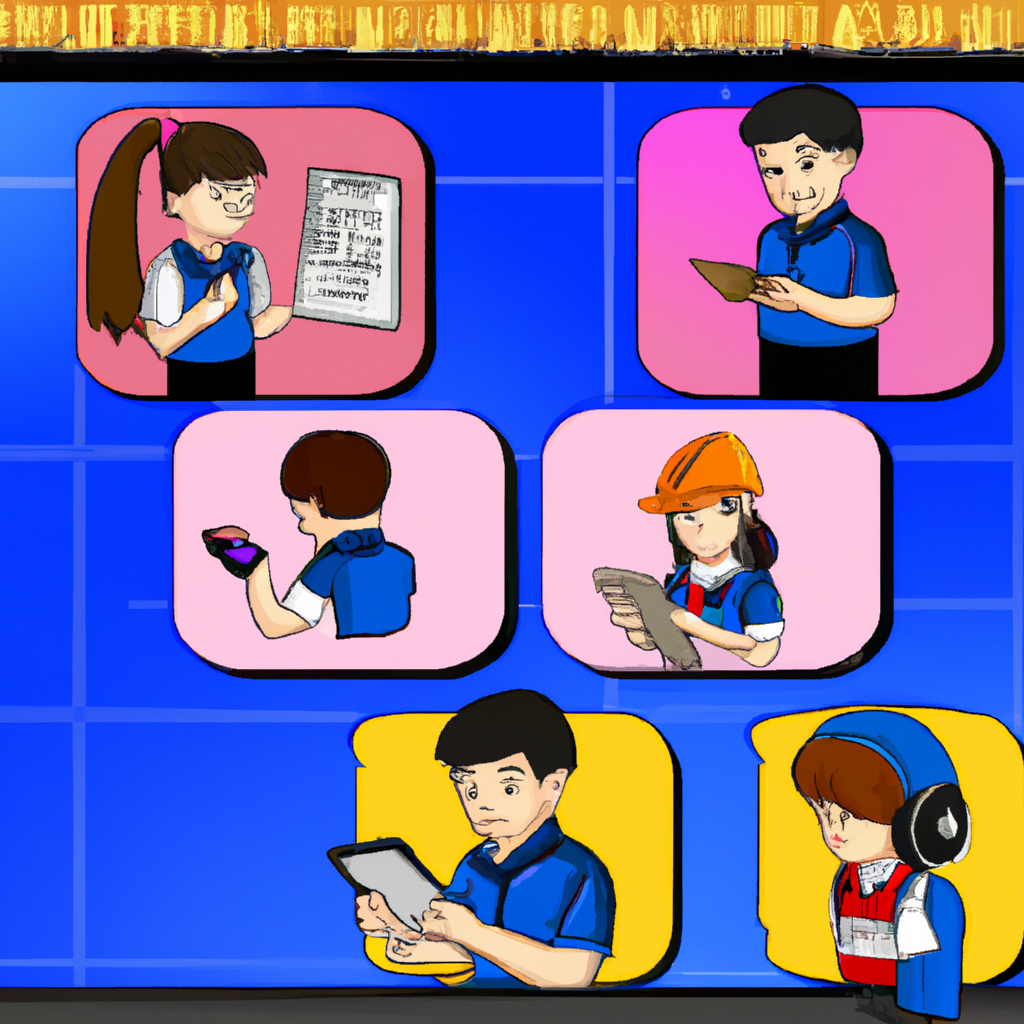
As a budding engineer, I often found myself confined within the four walls of a classroom, absorbing theories that felt detached from real-world applications. It wasn’t until I participated in a hands-on project during a summer internship that I realized the true potential of engineering education. This experience marked the beginning of my journey into a new paradigm of learning—one that transcends textbooks and embraces creativity, collaboration, and real-world challenges. The Shift from Theory to Hands-On Learning In today's fast-paced world, the traditional approach to education, especially in engineering, is evolving. We often find ourselves questioning the effectiveness of theoretical learning. Sure, textbooks are filled with knowledge, but how much of it sticks? How much of it translates into real-world skills? This is where the shift to hands-on learning becomes crucial. Understanding the Limitations of Theoretical Learning Theoretical learning provides a foundation. It introduces concepts and principles. However, it often lacks the practical application that solidifies understanding. For instance, can you truly grasp the intricacies of fluid dynamics just by reading about it? Probably not. It's like trying to learn to swim by watching videos. You need to get in the water! Theory can be abstract and disconnected from reality. Students may struggle to see the relevance of what they learn. Retention of knowledge is often low without practical application. These limitations highlight the need for a more engaging and effective educational approach. We must encourage students to apply what they learn in real-world scenarios. Encouraging Practical Application in Engineering Projects One of the most effective ways to bridge the gap between theory and practice is through project-based learning. This method allows students to work on actual engineering projects, applying their theoretical knowledge in a practical context. Imagine a group of students tasked with designing a bridge. They must consider materials, load, and safety regulations. This hands-on experience not only reinforces their learning but also prepares them for the challenges they will face in their careers. Case Studies of Successful Hands-On Programs Many reputable engineering schools have embraced this shift. For example, the Massachusetts Institute of Technology (MIT) has long been a leader in hands-on learning. Their curriculum emphasizes projects that require students to innovate and solve real problems. Similarly, Stanford University offers a variety of hands-on courses where students can engage in practical applications of their studies. These programs have shown remarkable success in enhancing student engagement and understanding. "Hands-on experiences bridge the gap between theory and practice, making learning more impactful." - Dr. Jane Smith As we explore these initiatives, it becomes clear that the future of engineering education lies in practical application. By fostering an environment where students can learn by doing, we prepare them not just to understand concepts, but to excel in their fields.Collaboration and Interdisciplinary Approaches In today’s fast-paced world, the importance of teamwork in engineering solutions cannot be overstated. When engineers from different backgrounds come together, they create a synergy that leads to innovative solutions. But why is this collaboration so crucial? Let’s explore. The Importance of Teamwork Engineering is not a solitary endeavor. It thrives on collaboration. When individuals with diverse skills and perspectives unite, they can tackle complex problems more effectively. Think about it: if a team consists of a mechanical engineer, an electrical engineer, and a software developer, they can approach a project from multiple angles. This diversity leads to more comprehensive solutions. Examples of Interdisciplinary Projects There are numerous examples of successful interdisciplinary projects that highlight the power of collaboration: Smart Cities: Engineers from various fields work together to design urban spaces that are sustainable and efficient. This includes civil, environmental, and information technology engineers. Healthcare Innovations: Biomedical engineers collaborate with healthcare professionals to develop new medical devices. This partnership ensures that the technology meets real-world needs. Renewable Energy Solutions: Engineers from mechanical, electrical, and environmental disciplines come together to create systems that harness solar, wind, and other renewable resources. These projects demonstrate how merging different fields can lead to groundbreaking advancements. They show that when we pool our knowledge, we can achieve what was once thought impossible. Enhancing Problem-Solving Abilities Collaboration enhances our problem-solving abilities in several ways: Broader Perspectives: Different viewpoints lead to more creative solutions. A problem that seems insurmountable to one engineer may have a straightforward solution when viewed through another’s lens. Shared Knowledge: Team members can share their expertise, leading to a richer understanding of the problem at hand. This collective intelligence is invaluable. Increased Innovation: As Prof. John Doe aptly puts it, “Working together fosters innovation and creative solutions to complex problems.” Collaboration sparks new ideas that can revolutionize industries. Many universities are adopting these interdisciplinary strategies. They encourage students to work on projects that require teamwork across various engineering disciplines. This approach not only prepares students for the workforce but also fosters a culture of collaboration that is essential for future innovations. In summary, the power of collaboration in engineering is undeniable. By working together, we can tackle complex challenges and drive progress in ways we never thought possible.Incorporating Technology and Digital Tools In today's fast-paced world, technology is reshaping every field, including engineering education. I believe that embracing these changes is crucial for both educators and students. Let's dive into how we can incorporate technology and digital tools effectively. The Role of Simulation Software and Digital Fabrication Tools Simulation software and digital fabrication tools are revolutionizing the way we learn engineering concepts. Tools like CAD (Computer-Aided Design) and 3D printing allow students to visualize and create their designs in real-time. Imagine being able to see your ideas come to life right before your eyes! This hands-on approach enhances understanding and retention. Moreover, simulation software enables students to test their designs virtually. They can experiment without the fear of wasting materials or time. This not only saves resources but also encourages creativity. After all, what’s better than learning from our mistakes in a safe environment? Benefits of Online Learning Platforms for Remote Collaboration Online learning platforms have become essential, especially in recent years. They offer flexibility and accessibility, allowing students to collaborate from anywhere in the world. This is a game-changer for engineering education. We can connect with peers and instructors without geographical limitations. Statistics show that students engaged in tech-based learning report higher satisfaction rates. In fact, a study found that 75% of students prefer online learning due to its convenience. This shift not only enhances learning experiences but also prepares students for the remote work environments they will encounter in their careers. Future Trends: AI and VR in Engineering Education Looking ahead, the integration of Artificial Intelligence (AI) and Virtual Reality (VR) in engineering education is exciting. AI can personalize learning experiences, adapting to each student's pace and style. Meanwhile, VR can immerse students in realistic scenarios, providing practical experience without the risks associated with real-world applications. Imagine walking through a virtual lab, experimenting with different materials, and seeing the outcomes instantly! This kind of engagement can significantly enhance learning and retention. "Technology is not just a tool; it's a game-changer for engineering education." - Dr. Emily Hart As we embrace these technologies, we must remember that they are tools to enhance our learning experiences. By incorporating simulation software, digital fabrication tools, and online platforms, we can create a more engaging and effective educational environment. The future of engineering education is bright, and I am excited to see how these advancements will shape the next generation of engineers.TL;DR: Engineering education is evolving beyond traditional boundaries, emphasizing hands-on experiences, collaboration, and a fresh approach to curriculum development in a technical world.
7 Minutes Read

Mar 2, 2025
Exploring the Spectrum of Opportunities at Saraswati Higher Education and Technical College of Engineering
When I first set foot in Saraswati Higher Education and Technical College of Engineering, I felt a sense of possibility wash over me. Nestled in the heart of Babatpur, this institution isn't just a place of learning; it's a launchpad for countless career aspirations that echo well beyond its classroom walls. Exploring the Unique Programs Offered At Saraswati College, we pride ourselves on offering a range of unique programs that cater to the diverse interests of our students. With a focus on engineering, we provide pathways in several disciplines. Whether you’re drawn to the intricacies of Computer Engineering or the structural challenges of Civil Engineering, we have something for everyone. Diverse Engineering Disciplines Available Our college offers a variety of engineering courses, including: Computer Engineering Mechanical Engineering Civil Engineering Electrical Engineering Each of these disciplines is designed to equip students with the necessary skills to thrive in their chosen fields. But why is diversity in engineering programs important? Think about it: the world is constantly evolving. New technologies emerge every day, and industries require skilled professionals who can adapt and innovate. Cutting-Edge Curriculum Designed for Emerging Fields We understand that the engineering landscape is changing rapidly. That’s why our curriculum is not just current; it’s cutting-edge. We focus on industry-relevant skills that prepare students for the challenges they will face in the workforce. Our courses are designed with input from industry leaders, ensuring that what you learn is applicable and valuable. Imagine being taught the latest technologies and methodologies that are shaping the future of engineering. That’s what we aim to provide. Our programs are tailored to meet the demands of emerging fields, giving our students a competitive edge. Hands-On Training and Practical Experience Opportunities Education is more than just theory. It’s about applying knowledge in real-world situations. At Saraswati College, we emphasize hands-on training. This means you won’t just be sitting in a classroom; you’ll be actively engaging in projects that simulate real engineering challenges. We collaborate with tech companies to offer students real-world training opportunities. This collaboration allows students to work on actual projects, gaining invaluable experience. It’s like having a foot in the door before you even graduate! Interdisciplinary Project Initiatives Another unique aspect of our programs is the emphasis on interdisciplinary projects. We believe that the best solutions come from collaboration. By working with peers from different engineering disciplines, students can tackle complex problems from multiple angles. For instance, a project might involve computer engineers working alongside mechanical engineers to develop a new product. This not only enhances learning but also prepares students for the collaborative nature of the engineering field. Quotes That Inspire "Education is the voyage of discovery, and at Saraswati College, every student is a captain navigating towards success." - Dr. Anjali Sharma This quote perfectly encapsulates our philosophy. We see education as a journey. Each student is empowered to explore their interests and carve their own path. With our diverse programs, cutting-edge curriculum, and hands-on training, we are here to guide you every step of the way. Conclusion In summary, Saraswati College offers a robust selection of engineering programs that are both diverse and relevant. Our focus on practical experience and collaboration with industry leaders ensures that students are well-prepared for their future careers. We are committed to providing an education that not only meets but exceeds modern standards.Student Experiences: Voices from the Campus Every student has a story. At Saraswati College, these stories are not just tales of struggle but of triumph. They are testimonies of how education can transform lives. I want to share some real-life experiences of students who have thrived post-graduation. Their journeys reflect the college's commitment to fostering personal and professional growth. Real-Life Success Stories Let’s start with Rohan Mehta. He said, “My time at Saraswati College was transformational. It built my confidence and gave me the tools to succeed in my career.” Rohan is not alone. Many graduates have similar sentiments. They attribute their success to the supportive environment and the skills they gained during their time at the college. Consider the story of Priya Sharma. She was unsure about her career path when she enrolled. Through various workshops and mentorship programs, she discovered her passion for digital marketing. Today, she works with a leading firm in the industry. Her story is a testament to how the right guidance can lead to clarity and success. Alumni Placement Rates Now, let’s look at some impressive statistics. Did you know that 70% of graduates secure positions within six months of graduation? This statistic speaks volumes about the effectiveness of the college's programs. It’s not just about getting a degree; it’s about being prepared for the workforce. Many alumni have successfully landed jobs in reputable firms. These companies recognize the quality of education at Saraswati College. They know that graduates come equipped with both theoretical knowledge and practical skills. This combination makes them valuable assets in any organization. Extracurricular Activities: More Than Just Fun Extracurricular activities play a crucial role in personal growth. At Saraswati College, students are encouraged to participate in various clubs and organizations. These activities are not just a way to pass time; they are essential for developing soft skills. Leadership Skills: Taking on roles in student-led clubs helps students learn how to lead and motivate others. Teamwork: Collaborating on projects fosters a sense of community and teaches the importance of working together. Networking: Engaging with peers and industry professionals opens doors to future opportunities. For instance, the Marketing Club at Saraswati College organizes events that allow students to apply their classroom knowledge in real-world scenarios. This hands-on experience is invaluable. It not only enhances learning but also builds confidence. Mentorship Opportunities Mentorship is another vital aspect of the college experience. Students have access to industry professionals who guide them through their academic and career choices. This connection can be a game-changer. Imagine having someone who has walked the path you aspire to take. They can provide insights that textbooks simply cannot offer. They can help you navigate challenges and celebrate your successes. This relationship often leads to internships and job placements, further enhancing the student’s career prospects. Success Rates in Interviews and Placements Success in interviews is a critical part of the job search process. The college prepares students for this through mock interviews and workshops. These sessions help students understand what employers are looking for. They learn how to present themselves effectively and articulate their skills. As a result, graduates feel more confident when facing potential employers. They know they have the tools to succeed. This preparation is reflected in the high placement rates we see today. In conclusion, the experiences of students at Saraswati College highlight the institution's dedication to fostering personal and professional growth. From real-life success stories to impressive placement rates, it’s clear that the college is a nurturing ground for future leaders. The combination of academic rigor, extracurricular engagement, and mentorship creates a holistic educational experience. Each student’s journey is unique, but they all share a common thread of transformation and success.The Educational Ethos: Cultivating Innovation and Leadership In the rapidly evolving landscape of education, we find ourselves at a crossroads. How do we prepare students for a world that demands not just knowledge, but also creativity and leadership? At our institution, we believe the answer lies in cultivating an educational ethos that emphasizes innovation and leadership. Interdisciplinary Approaches to Learning One of the cornerstones of our educational philosophy is the use of interdisciplinary approaches to learning. This means breaking down the traditional barriers between subjects. Why should science and art be separate? When we blend disciplines, students can see the connections between different fields. They learn to think critically and creatively. For example, a student studying engineering might collaborate with a peer in the arts to create a project that combines technology with design. This not only enhances their understanding but also fosters teamwork. After all, isn’t collaboration the key to innovation? Integration of Technology in Academic Delivery In today’s digital age, the integration of technology in academic delivery is essential. We partner with technology leaders to enhance our learning environments. This partnership allows us to provide students with cutting-edge tools and resources. Imagine learning about coding through interactive platforms or exploring virtual reality to understand complex scientific concepts. Our faculty employs innovative teaching methods that leverage these technologies. They create engaging lessons that resonate with students. This not only makes learning more enjoyable but also prepares students for the tech-driven world they will enter after graduation. Nurturing Leadership Qualities Among Students Another vital aspect of our educational ethos is the focus on nurturing leadership qualities among students. We believe that every student has the potential to be a leader. But what does that mean? It’s not just about holding a title; it’s about being proactive, taking initiative, and inspiring others. We offer various programs aimed at developing these skills. For instance, our leadership and entrepreneurship programs encourage students to think like entrepreneurs. They learn to identify problems and create solutions. This mindset is crucial in today’s world, where challenges are constant and solutions must be innovative. Showcasing Student Innovation Every year, we host an annual tech fest that showcases student projects. This event is a celebration of creativity and innovation. Students present their work, demonstrating their skills and knowledge. It’s a fantastic opportunity for them to receive feedback and recognition from industry professionals. These experiences not only boost their confidence but also prepare them for real-world challenges. They learn to communicate their ideas effectively, a skill that is invaluable in any career. Quotes That Inspire As Prof. Sunil Verma aptly puts it, “In today’s world, innovation requires collaboration and creativity, which is deeply grounded in our educational philosophy.” This quote encapsulates our commitment to fostering an environment where students can thrive through collaboration and creative thinking. Preparing for Future Challenges Ultimately, our institution prioritizes a culture of innovation and leadership. We aim to prepare students for future challenges in their careers and communities. By embracing interdisciplinary learning, integrating technology, and nurturing leadership qualities, we equip our students with the tools they need to succeed. In conclusion, cultivating innovation and leadership is not just a goal; it’s a journey we embark on together. Through our unique educational ethos, we are shaping the leaders of tomorrow. Let’s continue to inspire creativity, foster collaboration, and embrace the challenges ahead. Together, we can make a difference in the world of education and beyond.TL;DR: Saraswati Higher Education and Technical College of Engineering in Babatpur is a beacon of innovative learning and career opportunities, fostering growth and success among its students.
9 Minutes Read
Mar 2, 2025
Unlocking the Engineering Mind: Navigating Continuing Education Requirements
As an engineering professional, I found myself in a defining moment when I realized the importance of continual learning—a realization sparked during my first job where I battled an outdated skill set. This blog will explore the crucial, and sometimes confusing, landscape of continuing education requirements in the engineering field, reflecting my journey and insights gained along the way. Understanding the Importance of Continuing Education in Engineering As engineers, we live in a world that’s constantly changing. New technologies emerge every day. It’s crucial for us to adapt and grow. This is where continuing education comes into play. It’s not just about fulfilling requirements; it’s about enhancing our skills and knowledge. 1. Enhances Technical Skills and Knowledge Continuing education allows us to dive deeper into our fields. We can learn about the latest tools and techniques. This is vital in a profession that relies heavily on innovation. Think about it: how can we solve modern problems without understanding modern solutions? 2. Keeps Professionals Updated with Industry Advancements Technology evolves at lightning speed. If we don’t keep up, we risk becoming obsolete. Regular training and courses help us stay informed. They provide insights into new methodologies and practices. This knowledge is essential for making informed decisions in our projects. 3. Mandatory for Certain Licensing and Certifications In many cases, continuing education is not optional. It’s a requirement for maintaining licenses and certifications. For instance, engineers often need to complete a specific number of hours in continuing education to renew their licenses. This ensures that we meet the standards set by governing bodies. 4. Encourages a Culture of Lifelong Learning Continuing education fosters a mindset of growth. It encourages us to be curious and seek new knowledge. This culture of lifelong learning is essential in engineering. It helps us to not only improve our skills but also to innovate and inspire others. Why Is This Important? Many engineers struggle to keep pace with fast-evolving technologies. We might feel overwhelmed at times. But remember, we’re not alone. Continuing education not only fulfills licensing needs but also contributes to our personal growth. It’s a journey we embark on together. "Continuous learning is the minimum requirement for success in any field." - Brian Tracy As we reflect on our careers, let’s embrace the importance of continuing education. It’s essential for staying relevant in an ever-changing industry. By committing to our education, we not only enhance our own skills but also contribute to the advancement of our field.Diving into State-Specific Requirements When it comes to engineering, one size definitely does not fit all. Each state has its own Board of Engineering, which means the requirements can vary significantly. This variability can be particularly pronounced across different specializations. For instance, what’s required for a civil engineer in California might not be the same for a mechanical engineer in Texas. Have you ever thought about how those differences could impact your career? Understanding the Variability Educational Requirements: Each state sets its own educational standards. Some may require specific courses that others do not. Continuing Education Units (CEUs): The average number of CEUs required can differ widely. Some states may mandate more hours than others. It’s essential to stay informed about these local regulations. Why? Because being unaware can lead to serious consequences. I’ve seen colleagues face penalties simply because they didn’t keep up with their state’s requirements. It’s a harsh reality, but it’s true. As a professional engineer, I can’t stress enough how crucial it is to know the rules of the game. The Importance of Staying Informed Staying updated on local regulations isn’t just a good practice; it’s a necessity. Each state has specific continuing education mandates that engineers must adhere to. These requirements reflect local regulations and industry needs. Ignoring them can lead to: License Suspension: Your ability to practice engineering could be jeopardized. Financial Penalties: Non-compliance can lead to costly fines. Career Setbacks: Missing out on job opportunities due to an expired license can be detrimental. In my own experience, navigating state requirements has been a journey. I remember when I first moved to a new state. I had to research the specific courses needed for license renewal. It was a bit overwhelming, but it taught me the importance of diligence. I learned that knowing your state’s specific requirements can save you from costly penalties. As a professional engineer, I can’t stress this enough. Consequences of Non-Compliance What happens if you don’t comply? The consequences can be severe. Not only can you face fines, but you might also find yourself unable to work in your chosen field. This can lead to lost income and a tarnished reputation. It’s a risk that no engineer should take. In conclusion, understanding state-specific requirements is critical for every engineer. The landscape is complex, but with the right information, we can navigate it successfully. Remember, staying informed is not just about compliance; it’s about protecting your career.Types of Continuing Education Opportunities Available Continuing education is essential for personal and professional growth. It opens doors to new opportunities and helps us stay relevant in our fields. But what types of continuing education are out there? Let’s explore some options. 1. Formal Degree Programs vs. Informal Workshops and Webinars When we think of continuing education, formal degree programs often come to mind. These programs are structured and usually lead to a recognized qualification. They can be time-consuming and expensive, but they offer in-depth knowledge. On the other hand, informal workshops and webinars provide flexibility. They are often shorter and more focused on specific skills. Formal Degree Programs: Comprehensive, structured, and recognized. Informal Workshops: Flexible, focused, and often more affordable. Which option is right for you? It depends on your goals and how much time you can commit. I’ve found that a mix of both can be beneficial. 2. Online Learning Platforms and Advantages Online learning platforms have exploded in popularity over the last five years. They make education accessible to anyone with an internet connection. This means you can learn from the comfort of your home, at your own pace. Platforms like Coursera, Udemy, and LinkedIn Learning offer a variety of courses. Some advantages of online learning include: Flexibility: Learn when it suits you. Diverse Topics: From technical skills to personal development. Cost-Effective: Often cheaper than traditional education. Imagine being able to learn a new programming language while sipping coffee in your pajamas. Sounds great, right? 3. The Growing Relevance of Micro-Credentialing Micro-credentialing is gaining traction in the education landscape. These are short, focused courses that provide specific skills. They are highly regarded in many industries. Employers appreciate candidates who have micro-credentials because they demonstrate a commitment to continuous learning. As Warren Buffet said, “The best investment you can make is an investment in yourself.” Micro-credentials are a perfect way to invest in your skills. 4. Personal Anecdotes About Transformative Learning Experiences Let me share a personal experience. A few years ago, I took a workshop on project management. It was only a weekend, but it changed my perspective on how I handle projects. The skills I learned helped me lead my team more effectively. That’s the beauty of continuing education; it can transform your career in unexpected ways. In conclusion, the world of continuing education is vast and varied. Whether you choose formal degree programs, online platforms, or micro-credentials, the key is to find what works best for you. Remember, investing in your education is investing in your future.Real-World Impact of Continuing Education Requirements Continuing education is more than just a checkbox on a resume. It plays a crucial role in shaping our careers, especially in the engineering field. How does education affect job security and promotions? Let’s dive into that. Education and Job Security In today's fast-paced world, staying relevant is key. I’ve seen firsthand how continuing education units (CEUs) can enhance job security. When I completed a specialized course, I felt more confident in my role. This confidence translated into greater job security. Employers value employees who are committed to learning. They see us as assets, not just workers. Consider this: engineers with CEUs often have a higher placement rate. In fact, studies show that there’s a significant percentage increase in job placement for engineers who pursue ongoing education. Isn’t that compelling? It’s like having a secret weapon in your career toolkit. Engineering Sectors That Rely on CEUs Some engineering sectors are more reliant on continuing education than others. For instance: Civil Engineering: Regulations change frequently, requiring engineers to stay updated. Electrical Engineering: New technologies emerge constantly, making CEUs essential. Software Engineering: The tech landscape evolves rapidly, and ongoing education is crucial. These sectors demand that professionals keep their skills sharp. Without CEUs, we risk falling behind. It’s not just about keeping a job; it’s about advancing in our careers. A Personal Story I remember when I took a course on advanced project management. At first, I thought it was just another requirement. But as I delved deeper, I realized how much it changed my perspective. The skills I gained helped me lead a project that was previously beyond my reach. This course didn’t just change my skill set; it changed my career trajectory. Education and Innovation Education fuels innovation. When we learn, we think differently. We connect ideas in new ways. As Albert Einstein said, "Education is not the learning of facts, but the training of the mind to think." This quote resonates deeply with me. It highlights the essence of what continuing education offers. It’s not just about facts; it’s about fostering creativity and problem-solving skills. In conclusion, continuing education is vital for engineers. It opens doors to new job opportunities and broadens our skill sets. As we invest in our education, we invest in our future. The impact is real, and it’s something we should all consider seriously.Future Trends in Engineering Continuing Education The engineering landscape is changing fast. New technologies and methodologies are emerging every day. As engineers, we must be ready to adapt. But what does this mean for our continuing education? Let’s explore some key trends shaping our future. Emerging Fields and the Need for Adaptability First, we must recognize the rise of emerging fields. Areas like renewable energy, artificial intelligence, and biotechnology are gaining traction. These fields require engineers to not only have technical skills but also a mindset geared toward adaptability. How do we prepare for this? Continuous learning is essential. We can’t afford to become stagnant in our knowledge. The Role of Technology in Education Next, let’s talk about technology. Virtual Reality (VR) and simulations are revolutionizing how we learn. Imagine being able to practice engineering concepts in a virtual environment. It’s not just a dream; it’s happening now. VR allows us to experience real-world scenarios without the risks. This hands-on approach can enhance our understanding and retention of complex concepts. Predictions for Future Requirements As we look ahead, we can make some predictions about future educational requirements. The demand for flexible learning formats will likely increase. Online courses, hybrid models, and micro-credentials are becoming more popular. These formats allow us to learn at our own pace, fitting education into our busy lives. It’s a game-changer. Anecdote: My Learning Evolution Reflecting on my own journey, I see how my learning has evolved. When I first started, traditional classroom settings were the norm. Now, I find myself gravitating towards online resources and interactive platforms. I often use simulations to grasp complex engineering principles. It’s fascinating to see how technology has reshaped my approach to learning. In conclusion, the future of engineering continuing education is bright but requires us to be proactive. We must embrace change and be willing to adapt. As Heraclitus wisely said, "Change is the only constant in life." By staying informed about emerging fields and leveraging technology, we can ensure our skills remain relevant. Let’s prepare ourselves for the educational shifts ahead, driven by technological advancements and evolving industry demands. The journey of learning never truly ends; it simply evolves with us.TL;DR: Continuing education is essential for engineers to maintain licensure and advance careers, and understanding the varying requirements can greatly benefit professional growth.
11 Minutes Read
Mar 2, 2025
Harnessing AI for Engineering Students: A Game-Changer in Learning
I still remember the first time I used an AI tool for my engineering project; it felt like I had a superpower in my hands. Suddenly, complex calculations that used to take hours were done within minutes. This experience ignited a fascination with how AI is revolutionizing learning in fields like engineering, where precision and innovation are paramount. In this post, we'll explore the various ways artificial intelligence is becoming an essential ally for engineering students. AI as a Personal Tutor In today's educational landscape, AI is revolutionizing the way students learn. Adaptive learning platforms are now providing customized resources tailored to individual learning styles. Popular AI tutoring systems like Khan Academy and Duolingo have shown remarkable success in enhancing student performance and engagement. Many students have shared their experiences of switching from traditional methods to AI-driven learning, noting significant improvements in their understanding of complex subjects. As Professor Jane Smith aptly puts it, “AI can provide personalized educational experiences that cater to the individual needs of each student.” This personalization can lead to better outcomes compared to traditional human tutoring, as AI can analyze performance data and adjust learning paths in real-time. Integrating AI tutoring with curriculum requirements ensures that students receive support that aligns with their educational goals. Streamlining Complex Calculations with AI AI software is making waves in the realm of calculations, automating tedious tasks that once consumed hours of student time. Tools like MATLAB and various Python libraries are invaluable for engineering students, allowing them to focus on the creative aspects of their projects. Case studies reveal students saving significant time on assignments, which can be redirected towards deeper learning and exploration. Dr. Mark Williams highlights this shift, stating, “With automation, students can focus on finding creative solutions rather than getting lost in the details of calculations.” This balance between technological dependence and skill development is crucial for future engineers, who must be adept at both using AI tools and understanding the underlying principles. Enhancing Collaboration Through AI Technologies AI-powered platforms are fostering collaboration among students, enhancing group work and communication. Tools like Trello and Slack facilitate collaborative projects, allowing teams to organize tasks efficiently. AI can even analyze group dynamics, suggesting roles based on individual strengths, which can lead to more effective teamwork. Real-life scenarios show that teams using AI tools often achieve better results, but it’s essential to balance teamwork with individual accountability. As collaboration skills become increasingly vital for future careers, leveraging AI can ensure that every team member's voice is heard and valued. Data-Driven Decision-Making AI's ability to analyze data trends is transforming decision-making in engineering fields. Making informed decisions based on data analysis is crucial, and many engineering students have successfully integrated AI into their research methodologies. This shift not only enhances their projects but also prepares them for a data-oriented future. As the landscape for engineers evolves, balancing intuition with data-driven strategies will be key. Understanding how to interpret data effectively is becoming a non-negotiable skill in the engineering toolkit. Preparing for Future Careers with AI Skills The job market is rapidly evolving, with AI-centric roles on the rise. Engineering graduates must possess essential AI skills to remain competitive. Universities are adapting curricula to include AI, providing students with networking opportunities facilitated by AI tools. Case studies of graduates finding AI-related jobs reflect a growing demand for such expertise. As Mr. Liam Rodriguez notes, “Understanding AI will be crucial for the next generation of engineers as industries transform.” This understanding not only enhances job readiness but also empowers students to navigate their careers with confidence. Challenges and Considerations in Using AI Despite the advantages, there are challenges associated with AI in education. Concerns about over-reliance on AI, ethical implications, and potential job displacement due to automation are valid. Institutions must guide responsible AI use, ensuring that students find a balance between AI and traditional learning methods. As Professor Tim Reed warns, “While AI opens up many doors, we must manage its influence to maintain the integrity of engineering education.” Future considerations for academic integrity will be essential as we navigate this new landscape. Conclusion: Embracing AI for an Enhanced Learning Future In summary, AI offers numerous benefits for engineering students, from personalized tutoring to streamlined calculations and enhanced collaboration. As we encourage innovative thinking driven by AI tools, the importance of lifelong learning in AI technologies cannot be overstated. The future of engineering education looks promising, and I urge students to embrace AI responsibly, leveraging these tools to enhance their projects and prepare for their careers. TL;DR: AI is transforming engineering education by enhancing problem-solving, providing personalized learning experiences, and preparing students for future careers.
4 Minutes Read
Mar 2, 2025
Engineering Education: Embracing Change for a Future-Ready Workforce
As I sat in my college engineering class, watching a professor passionately explain complex algorithms, I couldn’t help but wonder—how will engineering education evolve in the coming years? With technology advancing at lightning speed and job markets shifting, the answers are pivotal. The Evolution of Engineering Curricula Engineering education is not static; it constantly transforms to meet the demands of the evolving job market. As we navigate through the complexities of modern society, it's clear that traditional methods of teaching engineering are no longer sufficient. So, what does the future hold for engineering curricula? Let's explore some key trends shaping this field. Integration of Interdisciplinary Studies One significant change is the integration of interdisciplinary studies. Engineering is no longer an isolated discipline. It overlaps with fields like computer science, environmental science, and even social sciences. This blending of subjects allows students to gain a broader perspective. Why is this important? Because real-world problems often require solutions that draw from multiple disciplines. For instance, creating sustainable energy solutions involves engineering, environmental science, and economics. How does this benefit students? Students become more adaptable and better prepared for diverse career paths. Focus on Real-World Applications and Problem-Solving Another trend is the focus on real-world applications and problem-solving. Gone are the days when students learned theories in isolation. Today, engineering programs emphasize hands-on experiences. This shift is crucial for several reasons: Practical skills: Students engage in projects that mimic real-life challenges, enhancing their problem-solving abilities. Collaboration: Working in teams helps students learn how to communicate and collaborate effectively. As Dr. Jane Smith aptly stated, "Engineering education must adapt to the ever-changing landscape of technology and society." This adaptability is essential for preparing students to tackle the challenges of tomorrow. Emphasis on Sustainability and Ethical Practices In recent years, there's been a notable emphasis on sustainability and ethical practices within engineering curricula. Why? Because engineers play a pivotal role in shaping our future. They design systems and structures that impact the environment and society. Sustainability: Courses now include topics on renewable energy, waste management, and sustainable design principles. Ethics: Students learn to consider the societal impacts of their work. This training is vital in a world where technology can have far-reaching consequences. Notable Shift Towards Project-Based Learning There's also a notable shift towards project-based learning. This method encourages students to engage in hands-on projects that require critical thinking and creativity. Instead of rote memorization, students apply what they learn in real-time. Project-based learning fosters a deeper understanding of concepts. It also prepares students for the collaborative nature of the engineering workplace. After all, most engineering tasks involve teamwork and communication. Collaboration with Industries to Ensure Relevance Finally, collaboration with industries is becoming increasingly important. Engineering schools are partnering with companies to ensure that their curricula remain relevant. This collaboration helps students gain insights into current industry practices and technologies. By working closely with industry professionals, students can gain valuable experience. They learn what employers are looking for and how to meet those expectations. This connection between education and industry is crucial for a successful career in engineering. As we look to the future, it's clear that engineering education is evolving. The integration of interdisciplinary studies, a focus on real-world applications, and an emphasis on sustainability and ethics are just a few of the trends shaping the landscape. The goal is to prepare students not just for jobs, but for meaningful contributions to society.Technology's Role in Shaping Future Engineers Technology is changing the landscape of engineering education. It's exciting to see how new tools and platforms are making learning more accessible and effective. Let's dive into some key aspects of this transformation. Rise of Online Platforms for Skill Development Online learning has exploded in popularity. Did you know that enrollments in STEM courses have surged dramatically? This trend is not just a passing phase; it's a revolution. Students from all walks of life can now access quality education from the comfort of their homes. Flexibility: Online platforms allow learners to study at their own pace. No more rigid schedules! Diverse Resources: From video lectures to interactive quizzes, the variety of materials available is astounding. Global Access: Anyone with an internet connection can tap into top-tier resources. This democratization of education is crucial. It opens doors for those who might not have had the chance to pursue engineering otherwise. Imagine a student in a remote area, gaining access to the same resources as someone in a bustling city. Isn't that incredible? Virtual Reality Simulations for Hands-On Learning When we think of engineering, hands-on experience is vital. This is where virtual reality (VR) comes into play. VR provides immersive experiences that enhance learning in ways traditional methods cannot. Real-World Scenarios: Students can engage in simulations that mimic real-life engineering challenges. Safe Learning Environment: Mistakes in a virtual setting don’t have real-world consequences. This encourages experimentation. Enhanced Engagement: The immersive nature of VR keeps students interested and motivated. Imagine donning a VR headset and stepping into a simulated engineering lab. You can manipulate objects, test theories, and even collaborate with peers from around the world. It's like being in a video game, but you're learning valuable skills! The Role of AI in Personalizing Education Pathways Artificial intelligence (AI) is another game-changer. It can tailor educational experiences to fit individual needs. This personalization is crucial for effective learning. Adaptive Learning: AI can analyze a student's progress and adjust the curriculum accordingly. Feedback and Support: Instant feedback helps students understand their mistakes and improve. Career Guidance: AI can suggest pathways based on a student's strengths and interests. Think about it: instead of a one-size-fits-all approach, each student gets a unique learning experience. This can lead to better outcomes and a more engaged learner. It's like having a personal tutor available 24/7! "Technology should empower education rather than replace the critical thinking that engineering demands." - Prof. Mark Johnson As we embrace these technological advancements, we must remember the essence of engineering education. It's not just about acquiring knowledge; it's about fostering critical thinking and problem-solving skills. Technology can enhance this process, but it should never overshadow the core principles of engineering. In summary, technology is redefining how we teach and learn engineering. With online platforms, VR simulations, and AI-driven personalization, the future looks bright for aspiring engineers. They can now access resources and experiences that were once unimaginable.Skills That Will Define Future Engineers As we look toward the future, the landscape of engineering is changing. It's not just about knowing how to design a bridge or program a computer anymore. The skills that will define successful engineers are evolving. Let's dive into what these skills are and why they matter. 1. Critical Thinking and Creativity First and foremost, critical thinking and creativity are paramount. Why? Because engineering problems are rarely straightforward. They often require innovative solutions. Think about it: when faced with a challenge, do you just want to follow a formula? Or do you want to create something new and effective? Critical thinking allows engineers to analyze situations deeply. It helps them assess various factors and make informed decisions. Creativity, on the other hand, is about thinking outside the box. It's about finding unique solutions that others might overlook. Together, these skills empower engineers to tackle complex problems with confidence. 2. Collaboration and Communication Next up is collaboration and communication. In today’s world, engineers rarely work in isolation. They are part of interdisciplinary teams. This means they need to communicate effectively with people from different backgrounds. Whether it’s a designer, a marketer, or a project manager, clear communication is key. Imagine trying to build a skyscraper. You have architects, structural engineers, and contractors all working together. If they can’t communicate well, the project could fail. That's why collaboration is essential. It fosters teamwork and ensures that everyone is on the same page. When engineers can share ideas and feedback openly, they create better outcomes. 3. Adaptability in a Rapidly Changing Environment Lastly, adaptability is crucial. The engineering field is evolving at a breakneck pace. New technologies emerge daily. Engineers must be willing to learn and adapt. This is where the idea of being a lifelong learner comes into play. Dr. Emily Tran once said, "The future engineer must be a lifelong learner, open to new ideas and perspectives." This quote resonates deeply. Engineers need to embrace change. They should be curious and willing to explore new tools and methodologies. Those who resist change may find themselves left behind. Why Soft Skills Matter Employers are increasingly prioritizing soft skills alongside technical expertise. Why? Because technical skills can be taught, but soft skills are often innate. They are harder to develop later on. In a world where teamwork and communication are vital, engineers who possess these skills will stand out. Continuous learning will be vital for career longevity. As industries evolve, the skills needed to excel in engineering roles are shifting. While technical expertise remains essential, soft skills like communication and adaptability are becoming equally important in team environments. In summary, the future of engineering is not just about what you know. It's about how you apply that knowledge. By honing critical thinking, fostering collaboration, and embracing adaptability, we can prepare ourselves for the challenges ahead. The engineers of tomorrow will be well-rounded individuals, ready to tackle whatever comes their way.Personal Anecdotes: My Journey Through Engineering Every journey has its bumps. My path through engineering was no exception. I faced numerous challenges as a student in a traditional setting. The classroom was often a daunting place. I remember sitting in lectures, struggling to grasp advanced concepts. It felt like I was trying to catch smoke with my bare hands. The pace was fast, and the material was complex. I often wondered, “Am I cut out for this?” The Challenges Faced as a Student In a traditional classroom, the focus is often on rote learning. We memorize formulas and theories, but understanding them deeply? That’s a different story. I found myself lost in a sea of information. The textbooks were thick, and the concepts were abstract. I felt overwhelmed. Many of my peers seemed to grasp the material effortlessly. I envied their confidence. But I realized that I wasn't alone in my struggles. Many students felt the same way. We were all trying to navigate the complexities of engineering. It was a tough environment, but it taught me resilience. The Benefits of Embracing Online Resources Then came the turning point. I discovered online resources. Suddenly, learning became more accessible. Websites, videos, and forums opened up a world of knowledge. I could learn at my own pace. I could revisit lectures and tutorials as many times as I needed. It was liberating. Online platforms like Khan Academy and Coursera transformed my education. They provided interactive tools and real-world applications. I could visualize concepts that once seemed abstract. This shift in learning style was a game changer. I began to understand engineering principles more clearly. Moreover, the flexibility of online learning allowed me to explore topics beyond the curriculum. I could dive into areas that intrigued me. This exploration ignited my passion for engineering. I became more engaged and motivated. Networking Opportunities That Transformed My Career As I progressed in my studies, I realized the importance of networking. Connecting with others in the field opened doors I never knew existed. I attended workshops, seminars, and online meetups. Each interaction was an opportunity to learn and grow. One encounter stands out. I met a mentor who guided me through the complexities of my career choices. Their insights were invaluable. They taught me that “Your career is shaped by connections you make and the opportunities you seize.” - Sarah Lee. This quote resonated with me deeply. Networking not only provided mentorship but also job opportunities. I learned about internships and projects through my connections. These experiences were crucial in shaping my career trajectory. They helped me build a professional network that continues to benefit me today. Reflecting on My Journey Reflecting on my own journey, I recall the struggles I faced in grasping advanced concepts without access to modern tools. The integration of technology into my education offered me newfound perspectives and opportunities that proved invaluable. It was a blend of traditional learning and modern resources that ultimately paved my way to success. In conclusion, my journey through engineering taught me that challenges can lead to growth. Embracing online resources transformed my learning experience. Networking opened doors I never thought possible. Each step, each connection, and each resource played a vital role in shaping my career. I encourage others to embrace their journey, seek out resources, and build connections. The path may be tough, but the rewards are worth it.TL;DR: The future of engineering education is dynamic, blending traditional methods with digital innovation, and emphasizing skills that meet industry demands.
11 Minutes Read